The Currency Counter I Remember
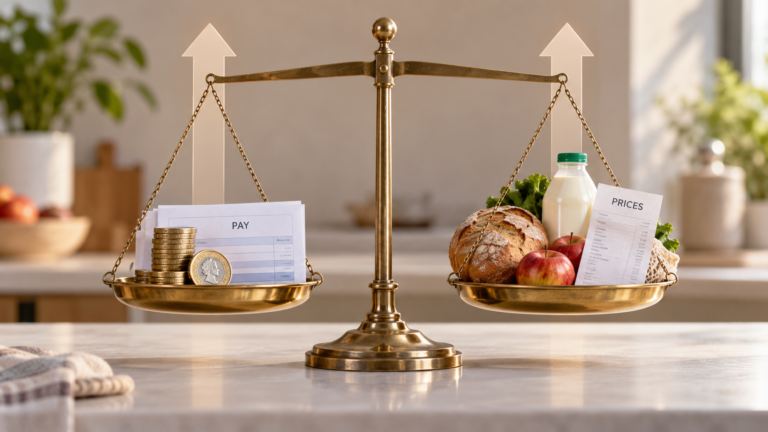
Years ago, before I understood any of this properly, I stood at a currency exchange counter in an airport and watched the pound buy noticeably less of the local currency than it had the year before. I remember feeling almost personally offended, as though the exchange rate had done it to me specifically. What I didn’t understand then, and what took me a long time to sit with, is that currency moves are one of the quietest ways your money’s value shifts underneath you, whether you notice the number on the board or not.
A Quiet Dollar, A Loud Rally
I thought about that counter again this month, watching the US dollar sit near four-year lows against a broad basket of other currencies. Softer-than-expected US jobs data in early August gave the move another push, and the result has been exactly what you would expect from the other side of that trade. Emerging market stocks and currencies have been quietly having one of their better runs in years, building on a rally that started earlier in 2026 and has already added close to a trillion dollars to the value of emerging market equities as a group. Currencies from Brazil, South Africa and Mexico have all firmed up against a softer dollar, and stock markets in several of those countries have posted genuinely strong, sometimes double-digit, gains.
Why A Weak Dollar Travels
The mechanism is not complicated once you see it. A lot of emerging market debt and trade is priced in dollars, so when the dollar weakens, the burden of that debt gets lighter in local currency terms, and imports get cheaper, both of which tend to be good news for those economies. At the same time, global investors who had been parking money in the safety of the dollar start looking further afield for better returns, and some of that money finds its way into markets that had been quietly overlooked while the dollar was strong. None of it requires anything to go dramatically right in Brazil or South Africa specifically. It mostly requires the dollar to stop being the obvious, boring, safe choice it has been for a while.
The Lesson In Your Own Portfolio
I don’t say any of this to suggest you should be piling into emerging market funds because a currency chart moved. I say it because this is one of the clearest, least talked about lessons in diversifying properly: your portfolio’s fortunes are never only about the companies or countries you have chosen. They are also about a currency most of us never think to watch, quietly making everything either a little easier or a little harder depending on which way it leans that month. A genuinely spread portfolio, one that does not sit entirely in a single currency’s shadow, tends to catch some benefit whichever way that particular wind is blowing.
This is not a recommendation, just an observation from someone who once took a currency exchange board a little too personally. If you want the wider version of how currency dynamics move through an ordinary portfolio, I wrote about three central banks and the lesson they carry for your money here: Three Central Banks, One Lesson for Your Money.
The Jacqueline Brand — knowledge builds confidence, and confidence builds wealth. This is editorial commentary for information and education only. It is not financial, investment or professional advice, and nothing here is a recommendation to buy or sell any investment. The Jacqueline Brand is not authorised or regulated by the Financial Conduct Authority. The value of investments can fall as well as rise, and past performance is not a guide to future returns. Figures were correct at the time of publication. Always do your own research and consider speaking to a regulated adviser. Where cryptoassets are discussed, they are high risk and largely unregulated in the UK, and you could lose all the money you invest. The Collection
© 2026 TheJacquelineBrand. All rights reserved. Please do not reproduce or republish without written permission.