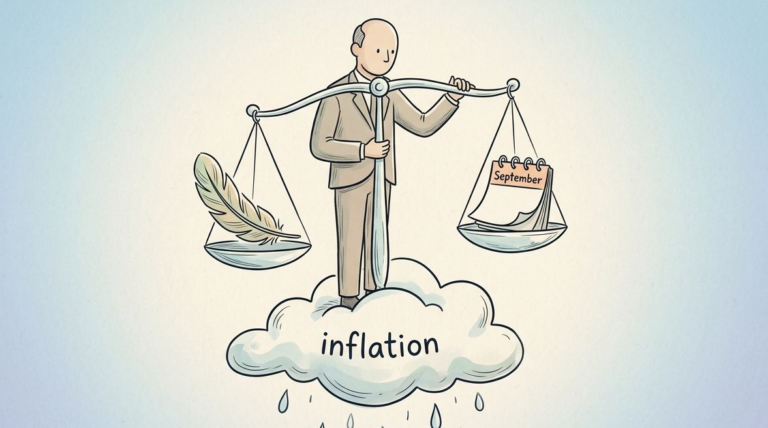
The US Clarity Act has the votes in theory, yet an ethics provision is keeping it off the Senate floor. Here is where the bill stands and why the ethics fight matters more than the technical details.
I have watched enough regulatory sagas to recognise the moment when a bill stops being about market structure and starts being about trust. The Digital Asset Market Clarity Act, shortened to the Clarity Act, has reached that moment. It has already cleared the House with a comfortable bipartisan majority. It has advanced through the Senate Banking Committee. Updated text has been circulated. And yet, as of early August 2026, it still has not received a Senate floor vote. The principal reason is not the definition of a digital commodity or the split between the SEC and the CFTC. It is an ethics provision that has become the price of further progress.
What the ethics language is trying to address
The latest draft includes restrictions aimed at senior public officials and their spouses. Covered individuals would be barred from issuing or sponsoring digital assets in exchange for consideration while in office. Enforcement is placed with the Department of Justice. There are penalties, a safe harbour for those who place existing holdings in qualified blind trusts or divest, and a sunset that would end the rules in 2029. Supporters describe it as the most comprehensive ethics package attached to any digital asset bill to date. Critics, including several Democrats whose votes are needed to reach the sixty-vote threshold, argue that it is too narrow, leaves room for existing arrangements, relies on temporary language, and places enforcement in the wrong hands. The disagreement is less about the precise wording of market structure and more about whether the people writing the rules should be able to hold meaningful personal exposure to the asset class they are also responsible for regulating.
Where the bill actually stands right now
The House passed its version in July 2025. The Senate Banking Committee advanced a version in May 2026. Merged text reflecting work from both the Banking and Agriculture Committees was released in late July. Majority Leader John Thune has not scheduled a floor vote, and the chamber has moved on to other priorities ahead of the August recess. No cloture motion has been filed. The practical windows that remain in 2026 are short: a brief September session before the midterm campaign intensifies, and the possibility of attachment to must-pass legislation later in the year. Prediction markets and private estimates of passage this calendar year have fallen sharply from the optimism earlier months. The bill is not dead. It is simply running out of ordinary legislative time.
Why the ethics fight is more than political theatre
Clear rules for digital assets would reduce the expensive uncertainty that has defined the last several years of enforcement actions and court cases. That clarity is valuable for institutions, for builders, and ultimately for ordinary participants who would rather operate inside a known framework than navigate constant ambiguity. Yet a framework written without credible safeguards against conflicts of interest risks carrying a permanent legitimacy problem. The same tension appears in every market that moves from the margins into the centre of the financial system. People will accept new technology more readily when they believe the referees are not also players. The ethics argument is, at root, about whether the Clarity Act can deliver that confidence or whether it will arrive already compromised in the eyes of a meaningful share of the Senate.
The practical implication for anyone watching from outside Washington
For UK readers and for anyone building or allocating capital with an eye on the United States, the current stall is about information rather than drama. The joint interpretive work already being done by the SEC and CFTC provides a temporary operating environment. Stablecoin legislation has already moved further. The larger market structure bill remains the missing piece that would turn provisional clarity into statute. Until the ethics language satisfies enough senators to unlock a floor vote, that piece stays missing. The observation that institutions will adopt useful technology while protecting their own position still applies: Banks Use the Rails Without Buying the Ticket. Regulatory clarity is one of the conditions that makes broader adoption more likely. It is also one of the conditions that is proving hardest to finalise.
The Clarity Act has travelled further than any previous attempt at comprehensive digital asset market structure in the United States. Whether it finishes the journey in 2026 now depends less on technical drafting and more on whether both sides can accept an ethics settlement that looks credible from the outside. Until that happens, the bill remains a detailed, hard-fought document that has not yet become law.
The Jacqueline Brand — knowledge builds confidence, confidence builds wealth. This is editorial commentary for inspiration, not financial or professional advice. Always do your own research. The Collection © 2026 TheJacquelineBrand. All rights reserved. Please do not reproduce or republish without written permission.